
Introduction
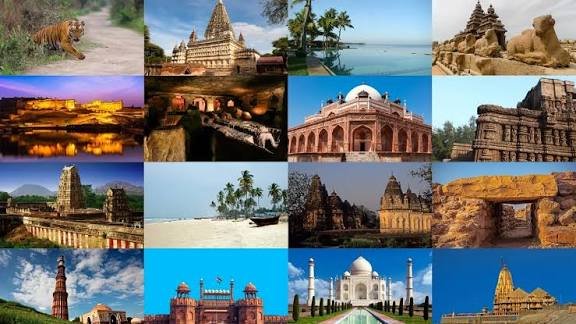
India offers an amazing blend of natural beauty, rich history, vibrant culture, delectable cuisine, and life-changing experiences, making it one of the most fascinating vacation destinations in the world. Every region has something special to offer, from the tropical beaches in the south to the snow-covered Himalayas in the north. Whether your ambition is to explore magnificent forts, unwind on serene beaches, hike through picturesque highlands, or take in vibrant festivals, a comprehensive India travel guide helps you discover the perfect location for any kind of traveler.
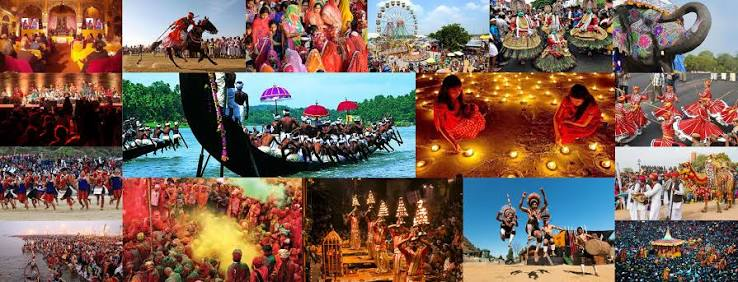
However, organizing a vacation can be intimidating due to India’s size and diversity. Careful planning is necessary due to the various climates, modes of transportation, languages, and attractions. Following a well-thought-out India travel guide and schedule will help you maximize your time while guaranteeing a relaxing and enjoyable trip.
From selecting the ideal locations to packing sensibly and traveling safely, this book will take you through every stage of organizing the ideal trip to India.
Step 1: Decide the Purpose of Your Trip

Consider your desired trip experience before making any reservations. There is something for everyone in India.
Nature Lovers
Visit hill stations, waterfalls, forests, and national parks.
Recommended destinations:
- Nainital
- Munnar
- Valley of Flowers
- Coorg
- Meghalaya
History Enthusiasts
Explore ancient forts, palaces, and monuments.
Popular destinations:
- Jaipur
- Agra
- Delhi
- Hampi
- Khajuraho
Spiritual Travelers
Experience India’s sacred temples, rivers, monasteries, and pilgrimage sites.
Top choices:
- Varanasi
- Rishikesh
- Haridwar
- Kedarnath
- Badrinath
- Bodh Gaya
Adventure Seekers
Enjoy trekking, rafting, skiing, wildlife safaris, and camping.
Great destinations:
- Rishikesh
- Auli
- Leh-Ladakh
- Jim Corbett National Park
- Spiti Valley
Step 2: Choose the Best Time to Visit
India experiences different climates throughout the year.
Winter (October to February)
This is considered the best season for most travelers.
Ideal for:
- Rajasthan
- Delhi
- Agra
- Gujarat
- Goa
- Kerala
Weather:
Cool, pleasant, and perfect for sightseeing.
Summer (March to June)
Higher temperatures in many regions make hill stations popular.
Best destinations:
- Shimla
- Mussoorie
- Nainital
- Darjeeling
- Ooty
- Munnar
Monsoon (June to September)
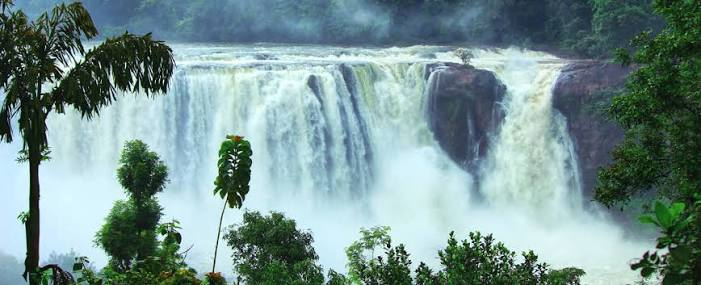
The rainy season transforms landscapes into lush green paradises.
Perfect for:
- Kerala
- Coorg
- Meghalaya
- Valley of Flowers
- Lonavala
Always check weather conditions before traveling to mountain regions.
Step 3: Set Your Budget
Planning your budget helps avoid unnecessary expenses.
Budget Travelers
- Hostels and budget hotels
- Public transportation
- Local restaurants
- Shared tours
Mid-Range Travelers
- Comfortable hotels
- Domestic flights
- Guided sightseeing
- Private taxis for day trips
Luxury Travelers
- Premium resorts
- Luxury trains
- Private guides
- Boutique experiences
Remember to include:
- Accommodation
- Transportation
- Food
- Attraction tickets
- Shopping
- Emergency expenses
Step 4: Select Your Destinations
Instead of trying to visit the entire country in one trip, focus on one or two regions.
Popular North India Route (7–10 Days)
Delhi → Agra → Jaipur → Rishikesh
Highlights:
- Historic monuments
- Forts
- Temples
- Local markets
South India Route
Kochi → Munnar → Alleppey → Kovalam
Highlights:
- Tea plantations
- Backwaters
- Beaches
- Local cuisine
Northeast India Route
Guwahati → Shillong → Cherrapunji → Kaziranga National Park
Highlights:
- Waterfalls
- Living root bridges
- Wildlife
- Scenic landscapes
Himalayan Route
Dehradun → Mussoorie → Auli → Chopta
Highlights:
- Snowy mountains
- Trekking
- Ropeways
- Peaceful hill towns
Step 5: Book Transportation Early
India has one of the world’s largest transportation networks.
Flights
Best for long distances between major cities.
Trains
Indian Railways provides a genuine travel experience and connects the majority of the nation. It is advised to purchase tickets in advance, particularly on holidays.
Buses
State-run and private buses are available for short and medium-distance travel.
Taxis and Ride-Sharing
App-based taxi services are common in many cities, making local travel convenient.
Step 6: Book Accommodation
Choose accommodation based on your budget and travel style.
Options include:
- Hotels
- Guest houses
- Homestays
- Resorts
- Eco-lodges
- Hostels
When booking, consider:
- Location
- Guest reviews
- Cleanliness
- Safety
- Included amenities
Staying near major attractions can save both time and transportation costs.
Step 7: Pack Smart

Packing depends on the season and destinations.
Essentials
- Comfortable walking shoes
- Light cotton clothes
- Warm jacket for hill stations
- Sunglasses
- Sunscreen
- Hat or cap
- Umbrella or raincoat during monsoon
- Reusable water bottle
- Personal medicines
- Power bank
- Identification documents
If you’re trekking, pack sturdy hiking shoes and weather-appropriate clothing.
Step 8: Taste Local Cuisine
One of the best parts of traveling in India is exploring regional food.
Must-try dishes include:
- Butter Chicken
- Dosa
- Biryani
- Chole Bhature
- Rogan Josh
- Dal Baati Churma
- Fish Curry
- Momos
- Pani Puri
- Jalebi
Choose clean and hygienic restaurants, and drink safe, purified water throughout your trip.
Step 9: Respect Local Culture
India is culturally diverse, and respecting local traditions enhances your travel experience.
Helpful etiquette:
- Dress modestly at religious places.
- Remove shoes before entering many temples and some homes.
- Ask permission before photographing people.
- Keep historical sites clean.
- Respect local customs and festivals.
- Support local artisans by buying handmade products.
Being courteous and open-minded will help you connect with local communities.
Step 10: Stay Safe While Traveling

A few simple precautions can make your trip smoother.
- Keep digital and paper copies of important documents.
- Store valuables securely.
- Use licensed taxis and trusted transportation services.
- Avoid isolated areas late at night.
- Follow local weather advisories, especially in mountainous regions.
- Carry emergency contact numbers and basic medical supplies.
Travel insurance is also worth considering, especially for long journeys or adventure activities.
Suggested 10-Day India Itinerary
Here is a well-rounded itinerary for your first visit:
Day 1-2: Delhi: Visit the local marketplaces, India Gate, Red Fort, and Humayun’s Tomb.
Day 3: Agra: See the Agra Fort and the Taj Mahal.
Day 4–5: Jaipur: Take in the lively bazaars, Amber Fort, City Palace, and Hawa Mahal.
Day 6–7: Rishikesh: Take part in river rafting, yoga, and the Ganga Aarti in the evening.
Day 8–10: Nainital or Mussoorie: Unwind in the mountains, take advantage of boating, beautiful scenery, and neighborhood cafés.
This path blends spirituality, history, culture, and nature into a single, unforgettable experience.
Travel Responsibly
Responsible tourism helps preserve India’s natural beauty and cultural heritage.
You can make a positive impact by:
- Avoiding single-use plastics.
- Carrying reusable bottles and bags.
- Respecting wildlife and natural habitats.
- Supporting local businesses and guides.
- Conserving water and electricity during your stay.
- Leaving destinations as clean as you found them.
Small actions from every traveler help protect India’s incredible destinations for future generations.
Conclusion
It doesn’t have to be difficult to plan the ideal trip to India. You can have a seamless and remarkable trip by picking the appropriate time of year, establishing a reasonable budget, picking locations that align with your interests, and using a reliable India travel guide to plan ahead.
An amazing blend of ancient history, stunning scenery, colorful festivals, delectable food, and kind hospitality can be found in India. Every encounter adds a different chapter to your India travel guide, whether you’re taking in the sunrise over the Taj Mahal, cruising through Kerala’s backwaters, seeing royal palaces, or admiring the Himalayan peaks
Take your time, travel sensibly, appreciate the diversity of the nation, and maintain an open mind. Your trip to India will be full of fascinating discoveries and priceless moments that you will cherish for years to come if you plan ahead with a trusted India travel guide.