
Introduction
Indian Culture is one of the oldest and richest cultures in the world, with a heritage that spans thousands of years. Renowned for its extraordinary diversity, India is home to a wide variety of religions, languages, traditions, festivals, cuisines, and artistic expressions that coexist harmoniously. Every state has its own unique customs, traditional attire, music, dance, architecture, and local cuisine, making Indian Culture a fascinating blend of history, heritage, and diversity. This vibrant cultural richness makes India an unforgettable destination for travelers and culture enthusiasts alike.
Indian Culture is best described by the phrase “Unity in Diversity.” Despite differences in language, religion, customs, and lifestyle, people across the country share common values such as respect, hospitality, strong family bonds, and the celebration of traditions. These timeless values have been passed down through generations and continue to shape Indian Culture, making India one of the most culturally rich and diverse nations in the world.
This guide describes the most significant facets of Indian culture and customs, whether you intend to travel to India or just wish to learn more about its rich history.
1. Unity in Diversity
Indian Culture is celebrated for its incredible diversity. India is home to people from many religious, ethnic, and linguistic backgrounds, making it one of the world’s most culturally diverse nations. The country recognizes more than 20 official languages and hundreds of regional dialects, each contributing to the richness and uniqueness of Indian Culture. This remarkable diversity strengthens the nation’s identity while preserving its cultural heritage.
Despite these distinctions, Indians fiercely preserve their cultural past, celebrate national holidays together, and respect one another’s customs. India is one of the world’s most culturally dynamic countries because of this equilibrium.
2. Family Values and Respect for Elders
In Indian society, the family is very important. Parents, kids, and grandparents all support one another in many families. Elder respect is regarded as a crucial virtue and is demonstrated in day-to-day interactions.
Children are often taught to:
- Respect parents and teachers.
- Seek blessings from elders during important occasions.
- Help family members whenever possible.
- Value honesty, kindness, and responsibility.
Family gatherings during festivals, weddings, and celebrations strengthen these relationships and keep traditions alive.
3. Indian Festivals
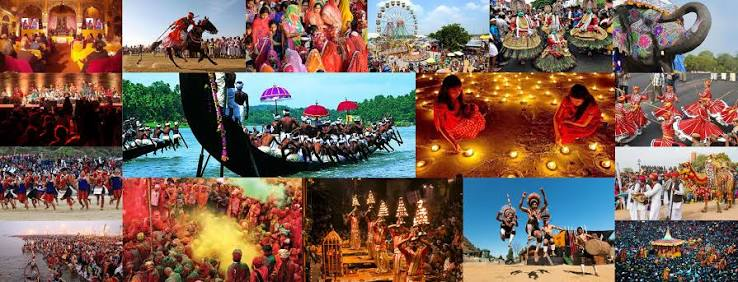
India is frequently referred to as the “Land of Festivals.” The nation’s cultural and religious diversity is reflected in the vibrant festivals that accompany each season.
Among the most well-liked festivals are:
Diwali
Diwali, also called the Festival of Lights, represents the triumph of good over evil and light over darkness. Families trade gifts and candies while lamps, candles, and vibrant rangoli decorations adorn homes.
Holi
The Festival of Colors, or Holi, is observed with traditional sweets, music, dancing, and colorful powders. It signifies the coming of spring and the victory of good over evil.
Eid
Eid is a time of prayer, generosity, delectable cuisine, and spending time with loved ones that Muslims around India celebrate..
Christmas
Christmas is celebrated with church services, decorations, music, and festive meals in many parts of India.
Navratri and Durga Puja
These celebrations, which pay tribute to Goddess Durga, feature exquisitely painted pandals, traditional dances, music, and prayers.
India’s sense of unity and festivity is seen in every event.
4. Traditional Indian Clothing
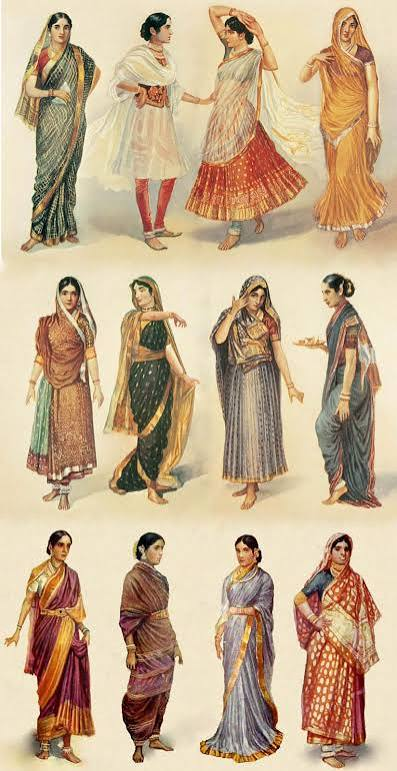
Traditional clothing varies across India’s regions, climates, and communities.
For Women
- Saree
- Salwar Kameez
- Lehenga Choli
- Mekhela Chador
- Kasavu Saree
For Men
- Kurta Pajama
- Dhoti
- Sherwani
- Lungi
- Mundu
Traditional attire is commonly worn during weddings, festivals, and cultural events, while modern clothing is popular in everyday life.
5. Indian Cuisine
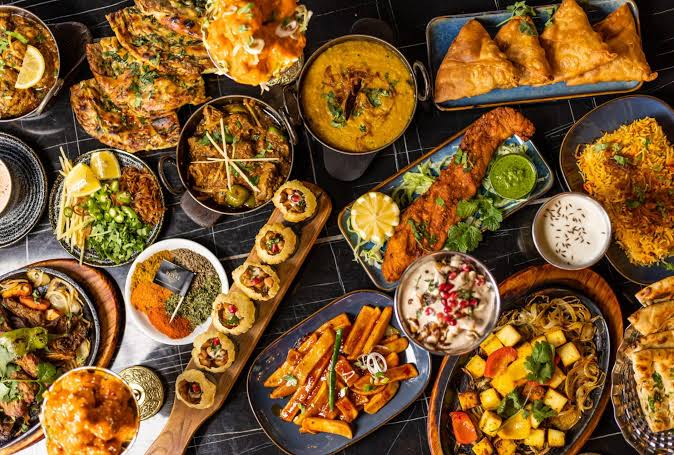
Indian cuisine is well-known throughout the world for its variety, rich flavors, and spices. Each area has distinctive recipes that are shaped by regional ingredients and customs..
Popular North Indian Dishes
- Butter Chicken
- Chole Bhature
- Rajma Chawal
- Paratha
- Paneer Tikka
Popular South Indian Dishes
- Dosa
- Idli
- Sambar
- Uttapam
- Appam
Popular Snacks
- Samosa
- Pani Puri
- Vada Pav
- Kachori
- Dhokla
Famous Indian Sweets
- Gulab Jamun
- Rasgulla
- Jalebi
- Laddu
- Kheer
Indian cuisine is not only diverse but also reflects the traditions and hospitality of different regions.
6. Languages of India
One of the nations with the greatest linguistic diversity in the world is India. Although each state has its own unique language, Hindi and English are often used.
Among the principal languages are:
- Hindi
- Bengali
- Tamil
- Telugu
- Kannada
- Malayalam
- Marathi
- Gujarati
- Punjabi
- Assamese
- Odia
- Urdu
This rich linguistic diversity contributes to India’s vibrant cultural identity.
7. Indian Art and Handicrafts
For generations, people have admired Indian craftsmanship. Using age-old methods that have been passed down through the generations, talented craftspeople produce exquisite handmade goods.
Common handicrafts consist of:
- Madhubani paintings
- Pashmina shawls
- Blue pottery
- Banarasi silk
- Chikankari embroidery
- Brass and wooden handicrafts
- Bamboo crafts
These artworks reflect the creativity and heritage of different regions.
8. Classical Music and Dance
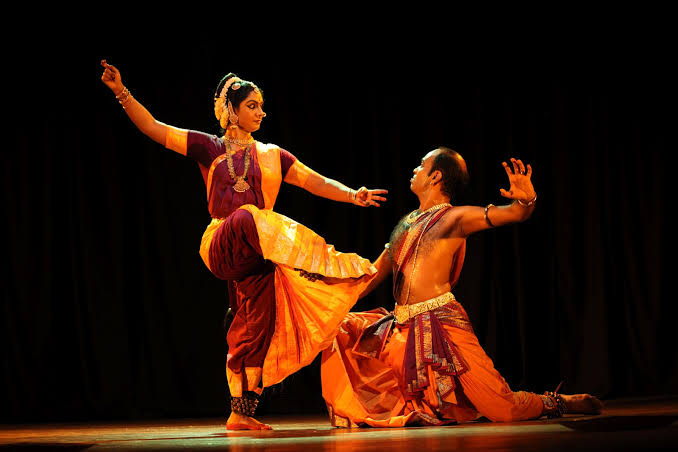
India has a rich musical and dance heritage that blends artistic expression, spirituality, and narrative.
Classical Dance Forms
- Bharatanatyam
- Kathak
- Kathakali
- Odissi
- Kuchipudi
- Manipuri
- Mohiniyattam
- Sattriya
Classical Music
Indian classical music has two major traditions:
- Hindustani Classical Music
- Carnatic Classical Music
Traditional performances continue to inspire audiences around the world.
9. Yoga and Ayurveda
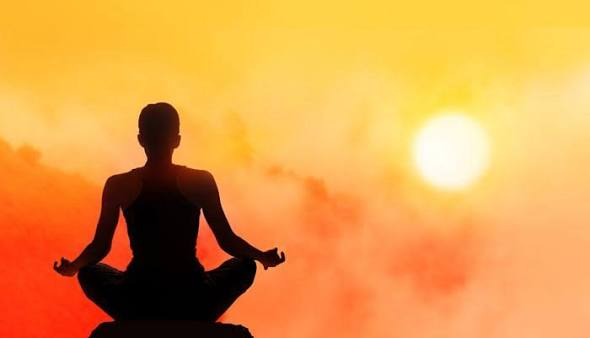
Yoga and Ayurveda, two age-old disciplines that emphasize mental, emotional, and physical health, originated in India.
Yoga
Yoga promotes a healthy lifestyle by combining physical postures, breathing techniques, and meditation. Millions of individuals throughout the world engage in it.
Ayurveda
Ayurveda is a traditional wellness approach that promotes balance in daily routines, herbal treatments, diet, and lifestyle. Globally, it has impacted holistic health approaches.
10. Indian Hospitality – “Atithi Devo Bhava”
“Atithi Devo Bhava” is Sanskrit for “The guest is like God.” Indian culture places a strong emphasis on hospitality, and guests are frequently greeted with kindness, decency, and generosity.
Visitors could be welcomed with:
- A smile and warm welcome
- Traditional refreshments
- Homemade meals
- Respectful conversation
- Help and guidance during their visit
This welcoming spirit leaves a lasting impression on travelers from around the world.
11. Architecture and Heritage
Centuries of creative and cultural advancement are reflected in India’s architectural legacy.
Among the well-known sites are:
- Taj Mahal
- Red Fort
- Qutub Minar
- Hawa Mahal
- Konark Sun Temple
- Meenakshi Temple
- Mysore Palace
- Gateway of India
These monuments represent different historical periods and architectural styles, making India a treasure trove for history lovers.
12. Traditional Celebrations and Weddings
Indian weddings are renowned for their vibrant rituals, traditional attire, dance, music, and delectable cuisine. Rituals, blessings, colorful décor, and multi-day family get-togethers are common elements of wedding celebrations, however they differ by area and community.
The significance of family, community, and cultural legacy is reflected in traditional ceremonies..
Travel Tips for Experiencing Indian Culture
If you plan to explore India’s cultural heritage, keep these tips in mind:
- Dress modestly when visiting religious places.
- Remove your shoes before entering many temples and some homes.
- Ask for permission before photographing people or religious ceremonies.
- Respect local customs and traditions.
- Try regional cuisines to experience local flavors.
- Support local artisans by purchasing authentic handicrafts.
- Learn a few basic greetings in the local language—it is often appreciated.
- Travel responsibly by keeping cultural and historical sites clean.
Why Indian Culture Is Unique
India’s culture is distinctive because it combines modern living with age-old customs. You can travel to centuries-old temples, busy marketplaces, serene countryside, contemporary cities, art galleries, and colorful festivals all in one trip. Although each location offers a unique experience, they all add to the nation’s common identity.
Every trip to India is an adventure due to the variety of languages, foods, attire, music, festivals, and customs. Travelers from all over the world come back to explore more because of its richness.
Conclusion
Indian culture is a wonderful fusion of tradition, variety, spirituality, and history. Every facet of India’s history, from vibrant celebrations and mouthwatering food to historic architecture, artistic creations, and kind hospitality, offers a distinct tale.
You will encounter customs that have been treasured for generations whether you are traveling through the Himalayan regions, the Rajasthani deserts, Goa’s beaches, Kerala’s backwaters, or Delhi’s bustling streets.
Knowing India’s culture enables tourists to appreciate not just its well-known sites but also the ideals, traditions, and people that make the nation genuinely unique. Every state in India has its distinct customs, but taken as a whole, they form an amazing cultural tapestry that makes India one of the most fascinating tourist destinations in the world.
similar
indian culturehttps://www.indianculture.gov.in/