
Introduction
India is a country blessed with incredible natural beauty, from towering mountains and serene beaches to dense forests and crystal-clear waterfalls. The Most Beautiful Waterfalls in India hold a special place in the hearts of travelers, photographers, and adventure seekers. During the monsoon season, these magnificent waterfalls come alive with powerful cascades, lush green surroundings, and breathtaking scenery, making them some of the most spectacular natural attractions in the country., and refreshing mist during the monsoon season, making for amazing experiences.
Visiting a waterfall is a fantastic opportunity to reconnect with nature, whether you’re planning an adventurous road trip, a family vacation, or a relaxing weekend getaway. The Most Beautiful Waterfalls in India offer breathtaking landscapes, refreshing surroundings, and unforgettable experiences. From the majestic Jog Falls in Karnataka to the spectacular Dudhsagar Falls in Goa, India is home to some of Asia’s most stunning waterfalls that every nature lover should explore.
The most stunning waterfalls in India will be discussed in this book, along with the ideal time to visit, neighboring sights, and helpful travel advice.
1. Jog Falls, Karnataka
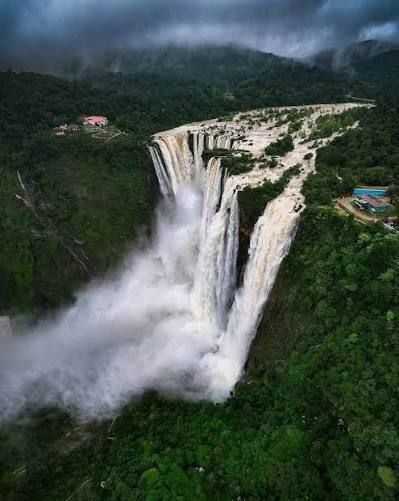
One of the Most Beautiful Waterfalls in India, Jog Falls is also among the country’s tallest and most famous waterfalls. Formed by the Sharavathi River, it creates a breathtaking spectacle as water plunges from a height of about 253 meters. During the monsoon season, the river flows at full force, making Jog Falls even more powerful and mesmerizing. Its dramatic cascade and lush green surroundings make it a must-visit destination for nature lovers and photographers.
Highlights
- One of India’s highest waterfalls
- Amazing viewpoints
- Surrounded by lush forests
- Perfect for photography
Best Time to Visit: July to September
Nearby Attractions
- Sharavathi Valley
- Linganamakki Dam
- Kodachadri Hills
2. Dudhsagar Falls, Goa
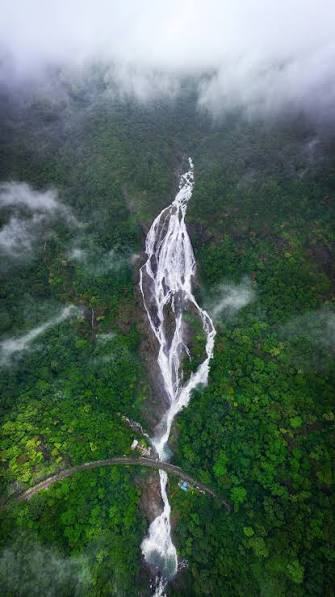
One of India’s most famous waterfalls is Dudhsagar Falls. Its name, which translates to “Sea of Milk,” was inspired by the white water tumbling down the jagged cliffs. The Western Ghats trees around this four-tiered waterfall, which is situated on the boundary between Goa and Karnataka.
Highlights
- Four-tier waterfall
- Dense forest surroundings
- Scenic railway bridge
- Popular trekking destination
Best Time to Visit: June to October
Nearby Attractions
- Bhagwan Mahavir Wildlife Sanctuary
- Mollem National Park
3. Nohkalikai Falls, Meghalaya
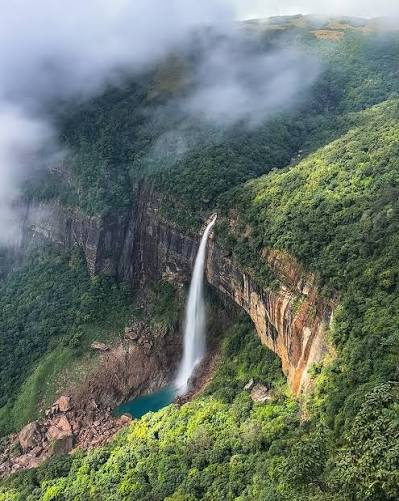
Nohkalikai Falls, in Cherrapunji, is India’s tallest plunge waterfall. The direct waterfall from a tall cliff into a blue pool below is one of the country’s most magnificent natural attractions.
Highlights
- Tallest plunge waterfall in India
- Incredible viewpoints
- Mist-covered hills
- Beautiful year-round scenery
Best Time to Visit: June to September
4. Athirappilly Falls, Kerala
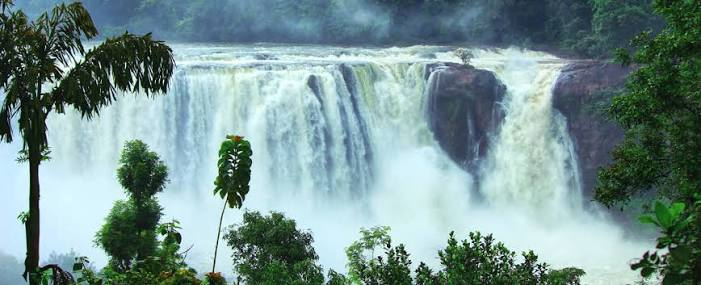
Athirappilly Falls, dubbed the “Niagara of India,” is one of Kerala’s most well-known tourist attractions. The tropical woodlands that encircle the waterfall are home to a variety of fauna and bird species.
Highlights
- Wide waterfall
- Rich biodiversity
- Popular movie shooting location
- Easy accessibility
Best Time to Visit: June to October
Nearby Attractions
- Vazhachal Falls
- Sholayar Forest
5. Bhagsu Waterfall, Himachal Pradesh
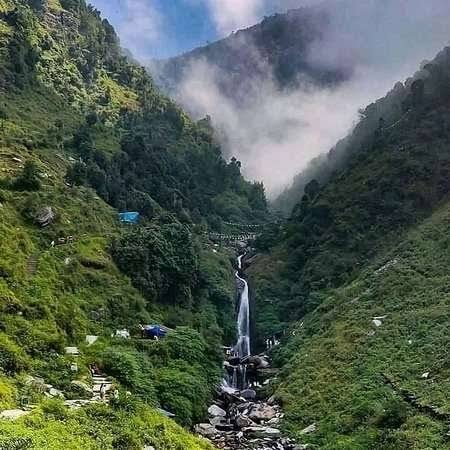
Bhagsu Waterfall, which is close to McLeod Ganj, is a popular tourist attraction in Dharamshala. A quick and picturesque walk leads to the waterfall..
Highlights
- Easy hiking trail
- Beautiful mountain views
- Peaceful surroundings
- Nearby cafés
Best Time to Visit: July to October
6. Chitrakote Falls, Chhattisgarh
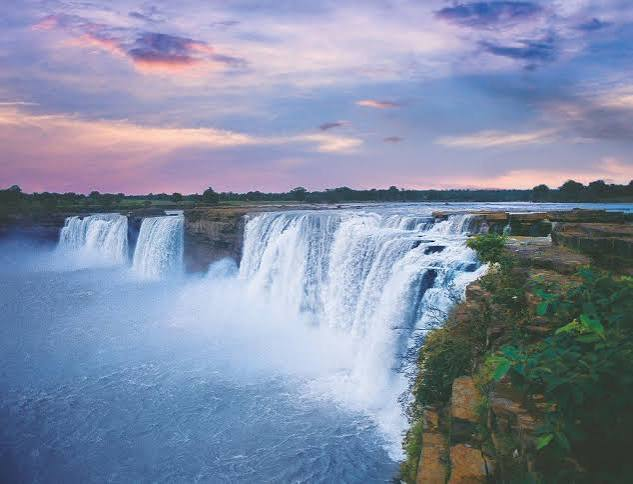
The name “Niagara Falls of India” is frequently applied to Chitrakote Falls due to its broad horseshoe form. It is situated on the Indravati River and is particularly breathtaking during the monsoon season.
Highlights
- India’s widest waterfall
- Magnificent sunset views
- Boating during suitable weather
- Rich tribal culture nearby
Best Time to Visit: July to October
7. Hogenakkal Falls, Tamil Nadu
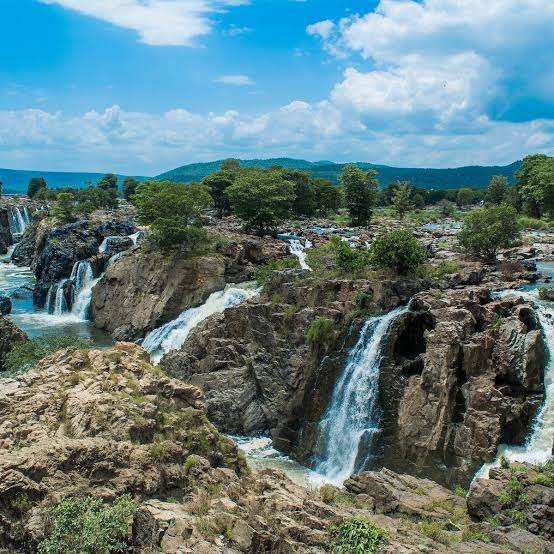
The Kaveri River created Hogenakkal Falls, which is renowned for its distinctive rock formations and traditional coracle boat tours. It is one of the most popular waterfalls in South India.
Highlights
- Coracle boat rides
- Scenic cliffs
- Natural beauty
- Popular picnic destination
Best Time to Visit: October to February
8. Kempty Falls, Uttarakhand
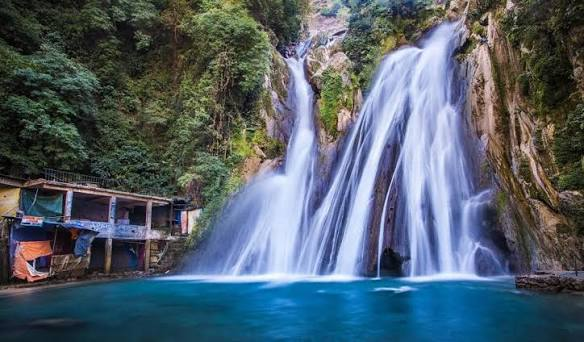
One of the most well-known waterfalls in North India is Kempty Falls, which is close to Mussoorie. Families and leisurely visitors are drawn to the base’s cool pool.
Highlights
- Family-friendly destination
- Swimming area
- Nearby shops and restaurants
- Pleasant weather
Best Time to Visit: March to June and September to November
9. Barehipani Falls, Odisha
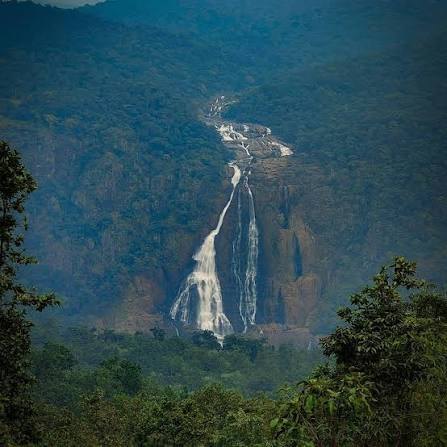
Barehipani Falls, one of India’s tallest waterfalls, is situated inside Simlipal National Park. Elephants, deer, and several bird species can be found in the nearby woodlands.
Highlights
- Inside a national park
- Rich wildlife
- Peaceful atmosphere
- Excellent photography opportunities
Best Time to Visit: October to February
10. Soochipara Falls, Kerala
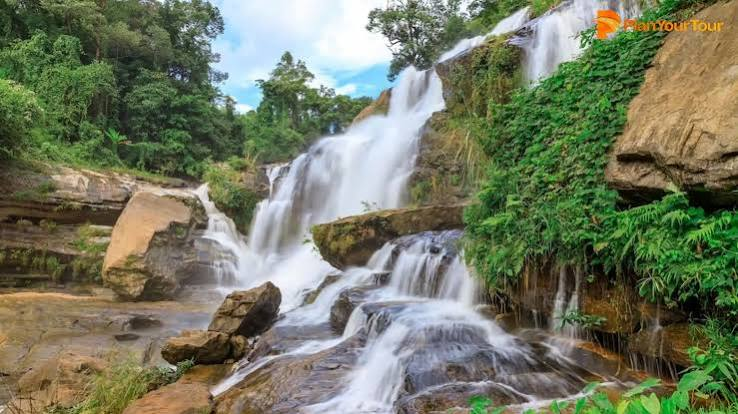
The three-tiered Soochipara Falls, popularly called Sentinel Rock Waterfalls, is situated near Wayanad. It offers a short trekking trail and is encircled by thick woodlands.
Highlights
- Three-tier waterfall
- Trekking opportunities
- Beautiful forest views
- Swimming in designated areas
Best Time to Visit: June to October
11. Hebbe Falls, Karnataka
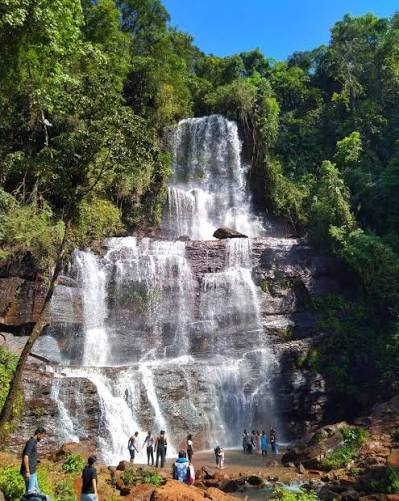
Hebbe Falls is a naturalist’s dream come true, tucked away in Chikkamagaluru’s woodlands. An exciting jeep trip or hike through forests and coffee farms is required to reach the waterfall.
Highlights
- Hidden natural gem
- Adventure trek
- Coffee plantation views
- Peaceful environment
Best Time to Visit: August to January
12. Elephant Falls, Meghalaya
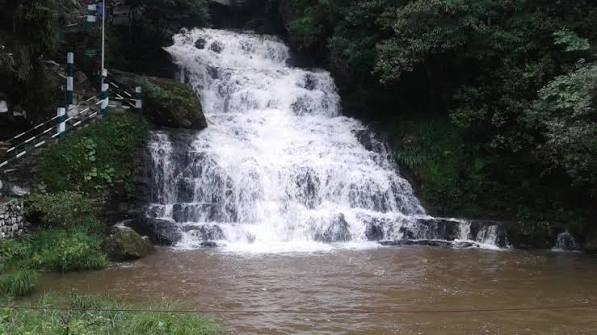
Elephant Falls, one of Meghalaya’s most popular tourist destinations, is situated just outside of Shillong. It is made up of three tumbling portions joined by viewing platforms and walking trails.
Highlights
- Three-level waterfall
- Easy access
- Scenic viewpoints
- Family-friendly destination
Best Time to Visit: June to September
Best Time to Visit Waterfalls in India
When rivers and streams are full during the monsoon season, which runs from June to September, the majority of waterfalls in India are at their most breathtaking. However, from October to February, when the weather is good and water levels are still high, some places are safer and more fun just after the monsoon.
Prior to your journey, always check the local weather, especially if there will be a lot of rain.
Travel Tips for Waterfall Visits
To make your trip safe and enjoyable, keep these tips in mind:
- Wear comfortable shoes with a good grip.
- Carry a raincoat or umbrella during the monsoon.
- Protect your phone and camera with waterproof covers.
- Avoid climbing slippery rocks or entering restricted areas.
- Follow local safety instructions and warning signs.
- Carry drinking water, light snacks, and a small first-aid kit.
- Respect nature by avoiding littering and using designated paths.
- Visit early in the morning to enjoy fewer crowds and better lighting for photography.
Why You Should Explore India’s Waterfalls
The Most Beautiful Waterfalls in India are at their most spectacular during the monsoon season, from June to September, when rivers and streams are full and the waterfalls flow with maximum force. However, if you prefer pleasant weather and safer travel conditions, the period from October to February is also an excellent time to visit. During these months, water levels remain high after the monsoon, allowing you to enjoy stunning views, comfortable sightseeing, and outdoor activities.
Every area has a distinctive waterfall experience that is just waiting to be found, from the foggy cliffs of Meghalaya to the verdant Western Ghats and the foothills of the Himalayas.
Conclusion
One of India’s most valuable natural resources is its waterfalls. Each one provides a special fusion of outdoor adventure, local culture, and scenic beauty. These locations provide lifelong experiences, whether you’re taking in the serene settings of Bhagsu Waterfall, the majestic Nohkalikai Falls, or the force of Jog Falls.
Think about include one or more of these breathtaking waterfalls on your schedule for your upcoming trip. You may find some of India’s most breathtaking landscapes if you prepare ahead, respect the environment, and have an adventurous attitude.
On your next journey across amazing India, pack your camera, enjoy the crisp mountain air, and let the sound of tumbling water lead the way.
similar
most-beautiful-waterfalls-in-india-12-must-visit-natural-wondershttps://www.world-of-waterfalls.com/top-10-india-waterfalls/